
Why Your First VA Hire Didn't Work Out and What to Do Differently This Time
There's a conversation I have regularly with founders, and it goes something like this…
They've had a VA before and while it wasn't exactly a disaster, it wasn't what they needed either. I’ve looked into so many frazzled Founders faces over Zoom and seen how underwhelmed they’ve been by their first VA experience.
Maybe the VA was lovely but not quite experienced enough to keep pace, maybe they gave it a good chat in the interview and started strong and then the work outgrew them.
Maybe the founder didn't really know what they needed when they hired, or how much time to hire them for, so the brief was too vague and the support stayed too “meh”. Maybe it just quietly fizzled out, more admin headache than relief.
And now they're back. Wiser, more clear-eyed about what they need, and looking for someone who can actually keep up with them, but they’re a little nervous.
This is one of my favourite types of client to work with. Not because the first experience went wrong, but because of what it gave them: clarity. And clarity is everything when it comes to finding the right VA.
The first VA hire isn’t always the right one. Here's why that's okay.
Most founders hire their first VA when they're already drowning and barely have a second to think.
They're not hiring from a place of strategy, they're hiring from a place of desperation.
The struggle comes when the brief they give their Virtual Assistant is vague and something like: "just take stuff off my plate." (There’s no judgement here, honestly).
The search is rushed, the criteria isn’t totally clear, but they want someone helpful and available, and they need them yesterday.
I really do get where they are when they hire like that, but it's also why so many first VA relationships end up underwhelming and feel like more work than it’s worth - and it’s not because VAs aren't good at what they do, but because the match was made on incomplete information, on both sides.
But this time around the founder has just a little more info than before, they know which tasks genuinely freed them up and which stayed on their plate anyway.
They know whether they need someone who waits for direction or someone who runs ahead and reports back. They know how quickly they move, what their communication style actually is under pressure, and what "proactive" needs to look like in practice for their specific business.
That knowledge is genuinely valuable. And it's exactly what I use when we start talking about finding them someone better.
What "outgrowing" a VA actually means
There's a particular kind of frustration that comes from outgrowing your VA, and it's worth naming it properly because it's very different from a VA simply not being good at their job.
It shows up as a growing feeling that you're managing them more than they're supporting you, or that you're spending time you simply don’t have briefing and checking and re-explaining things.
The tasks they're handling are the simple ones, but the complex, high-stakes work, the project work that actually needs good judgment, the client relationships that need handling with care, the diary that requires someone to think strategically and not just slot things in, those are still sitting with you.
Nick Popovici, Co-Founder and CEO of Vita Mojo, described it well when he reflected on what changed when he found the right support:

"Since working with Mel and my dedicated VA, I've noticed just how much time I've got back by handing things like my calendar, scheduling and inbox management over. It has allowed me to focus on my business more deeply and my team is more supported."
That's the shift that matters. Not just tasks ticked off, but focus genuinely returned. And it only happens when the VA is experienced enough to own the work, not just assist with it.
Experience isn't a nice-to-have. That's the whole point.
This is where The Lifestyle VA does things differently, and it matters most for founders who are scaling.
Every Virtual Assistant on our team has a minimum of five years' experience working at senior, C-suite and private client level.
These are not generalists learning on the job, they're VAs who have sat inside fast-moving businesses, supported demanding leaders, handled sensitive communications, and made judgment calls that a less experienced person would have escalated or, worse, got wrong.
That experience means a founder can hand something over and genuinely let go of it. That's the difference between delegating and offloading. Delegating requires trust. Trust requires capability. And capability at this level doesn't come without the years behind it.
Kath Easthope, Co-Founder and COO of Boardwave, found this when she came to us needing both EA and finance support:
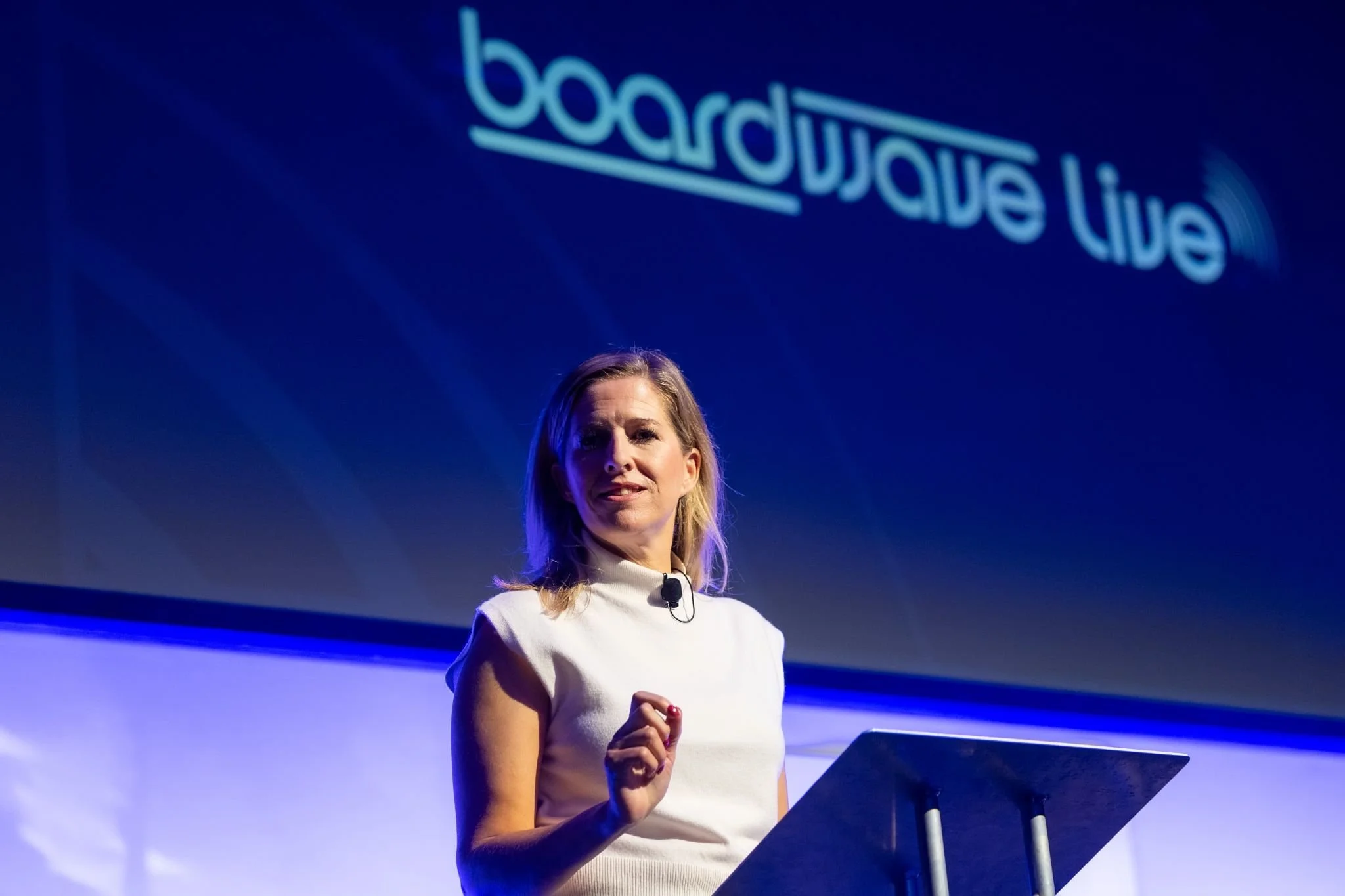
"Mel really takes the time to understand your needs, with a strong focus on cultural fit as well as capability, which made a huge difference for us. The support we brought in made an immediate positive impact on our team and ways of working."
The matching process is where everything changes
Founders who've hired a VA before often went about it the way most people do the first time: a job post, a flood of applications, a handful of interviews, a hope and a guess.
When they come to me, it's completely different. I take a proper brief, not just a task list. I want to know how they think, how they communicate under pressure, what pace they move at, what kind of person has complemented them well in the past (and what kind hasn't). I'm thinking about personality and working style as much as skills, because a brilliant VA who isn't the right fit for a specific founder is still the wrong hire.
I've been doing this for eight years. I know what questions to ask and I know the red flags that don't show up on a CV.
I know what "confident and capable" looks like for a founder who moves fast versus one who needs precision and brevity of replies above pace because he has ADHD.
And I have a pre-vetted team of experienced VAs, DBS checked, insured, ICO registered, and referenced, to match against that brief.
Most clients go from discovery call to meeting their VA within two to three weeks. There's no recruitment black hole, no endless shortlisting, no wasted afternoons interviewing people who clearly didn't read the brief.
Jess, Founder of SassySpud, had worried that bringing in VA support would just create a new kind of overwhelm, but what she found was the happy opposite:
"I've been enjoying full weekends off work for the first time in 2 years now, as I'm happy knowing that Mel and my VA can handle anything that the business throws at them."
That confidence, the kind that lets you close the laptop on a Friday without a knot in your stomach, only comes from a match that's been made properly.
This is a long-term partnership, not a placement
One thing that separates working with The Lifestyle VA from hiring directly, or going to one of the large agencies that appear at the top of a Google search, is what happens after the introduction.
I stay in the relationship. I check in during those critical first few months, I'm available if something needs adjusting, and if for any reason the match isn't right, I re-match at no additional cost. There's no placement fee sitting on top of the hourly rate, the matching is included, and so is the peace of mind.
Your VA also works with the quiet backing of the wider team at The Lifestyle VA agency behind them. When a tricky situation arises or they want a second opinion, they're not isolated, they have a hivemind of experienced professionals and recommendations to draw on. Your confidentiality stays completely intact, but the quality of thinking and support your VA brings is deeper because of the team we have.
And if your VA ever needs to take extended leave, cover is arranged. Your business doesn't pause. That continuity is something a solo freelancer simply can't offer, and for a founder running at pace, it matters more than most people realise until the moment they need it.
If your first VA experience left you thinking "it's just not for me" - it might just mean it wasn't the right match
What I love about helping these clients find their second VA is that when it works, and with the right match it really does work, they often say some version of the same thing: "I don't know what I was waiting for."
Your business has grown, your needs are clearer, you deserve support that has grown and can match that.
If you're ready to find the VA who really makes the difference, book a discovery call with me here. I’ll help you figure out exactly what you need now.
Frequently Asked Questions
-
The most common complaint I hear about other agencies is that they matched quickly and then disappeared. I stay involved, I know every VA on my team personally, and if something isn't working I'll tell you honestly and fix it. Every VA I place has a minimum of five years' senior experience, is fully vetted, and is supported by the wider team. I also don't charge a separate matching fee, it's all within the hourly rate. I am also proud to pay my team fairly and around 80% more than the big name agencies at the top of Google, and that gives you access to the best and most talented VAs in our industry.
-
Absolutely, and honestly this is very common. Part of what I do in the discovery call is help you articulate what you actually need, not just what you think you want. Founders who've had a VA before often have better instincts than they realise. I ask the right questions and help shape the brief from there.
-
It's rare, but if it happens I re-match at no additional cost. Simple as that. My reputation is built on getting this right, and I'm not in the business of leaving a founder stuck.
-
Most placements happen within two to three weeks of your discovery call. When timing is critical, I've done it faster. The only thing that typically affects the timeline is your own availability for the call with me and the on-boarding introductory call with your new VA.
